Keeping a country-code top-level domain (ccTLD) secure and dependable requires more than technical systems alone. It requires people who know how to manage the Domain Name System (DNS), respond to threats, work with registrars and improve the services they deliver.
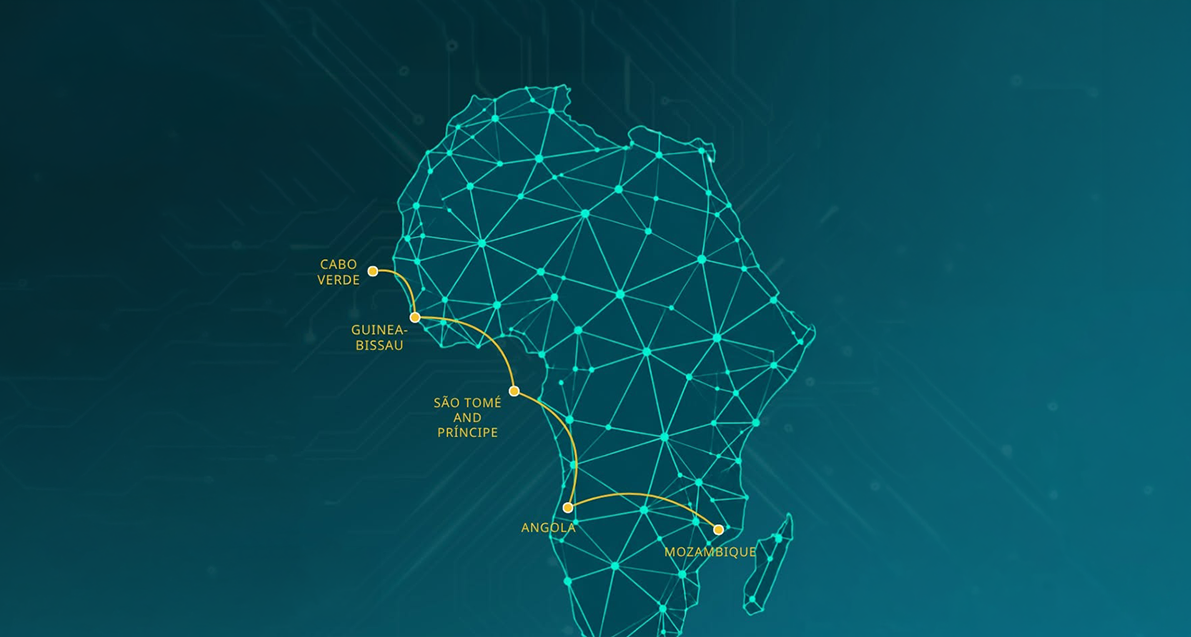
This was the aim of a year-long capacity-building project for Portuguese-speaking ccTLD registries in Africa, carried out by LusNIC – Associação de Registries de Língua Portuguesa and ICANN within the Coalition for Digital Africa. Completed on 31 March 2026, the project supported the teams managing .cv, .ao, .st, .gw and .mz, the ccTLDs of Cabo Verde, Angola, São Tomé and Príncipe, Guinea-Bissau and Mozambique.
The project reflects the Coalition’s emphasis on building capacity and strengthening DNS infrastructure throughout Africa. Stronger ccTLD teams contribute to more resilient domain-name operations and greater confidence in national digital spaces.
Designed with teams in mind
The project started with an assessment of needs involving seven professionals from the five participating ccTLDs. DNS, cybersecurity and ccTLD operations emerged as priorities, together with contractual compliance for ccTLDs, including contractual requirements concerning registrars and domain holders, communications and marketing.
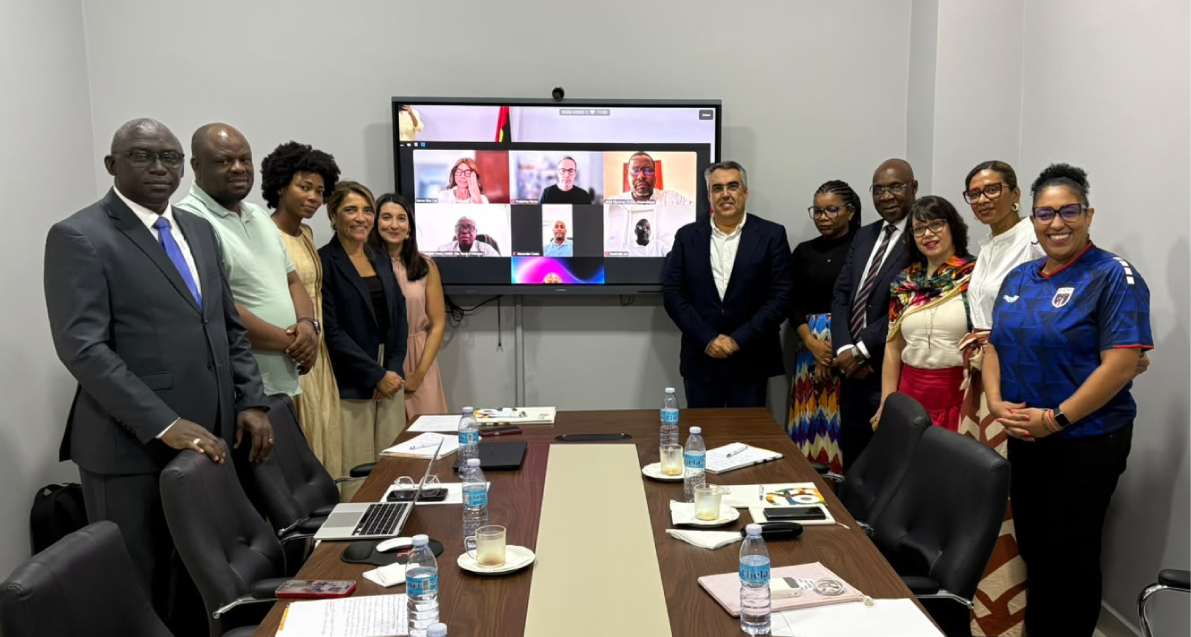
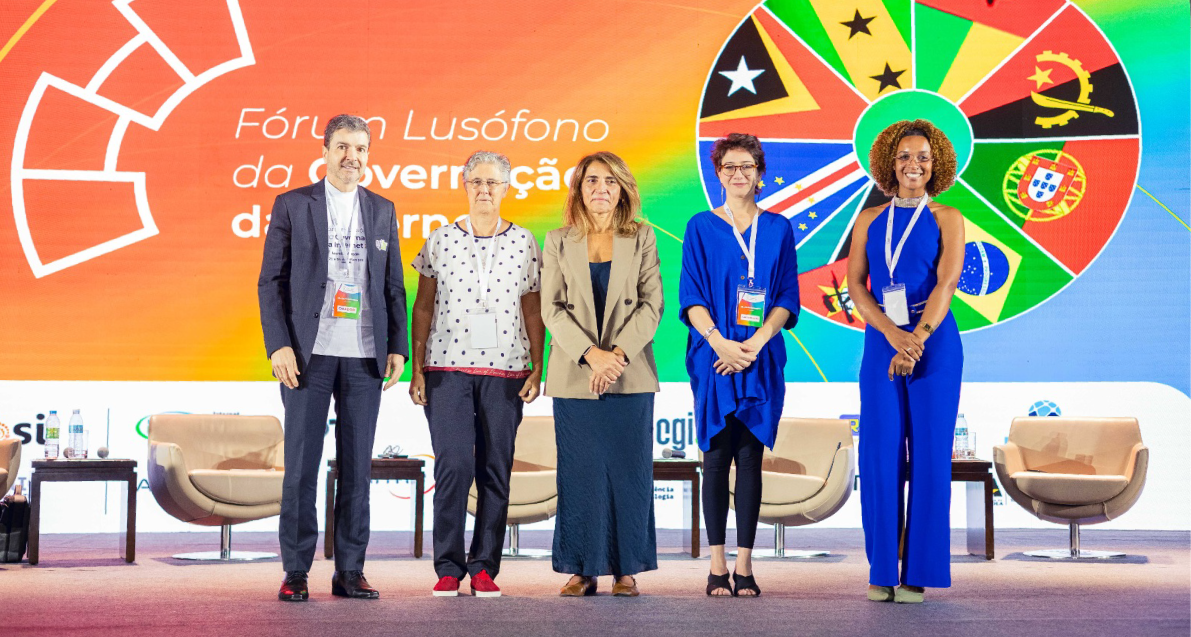
The programme offered four training sessions: one held in person in Maputo, Mozambique, and three online. The Maputo session attracted 70 participants. Across the four sessions, participants received 21 hours of training in technical operations, security and ccTLD management.
The final session included a practical exercise entitled “Anatomy of a Leak”, built around a realistic data-breach scenario. Participants learned to identify vulnerabilities, interpret signs of intrusion and consider appropriate responses. Participant feedback gave the sessions ratings ranging from 4.0 to 4.8 on a five-point scale.
Moving the session online enabled the programme to continue and demonstrated the value of a hybrid approach: online sessions enable broader participation, while in-person sessions provide more scope for exercises and exchanges of experience.
Participants reported gaining a clearer understanding of the technical, contractual and administrative processes involved in running a ccTLD, as well as greater awareness of operational and security requirements. According to participant feedback recorded in the report, the Portuguese (.pt) model encouraged Guinea-Bissau (.gw) to explore new approaches to registrar partnerships, international reach and operating-cost management. Mozambique’s ccTLD team highlighted the programme’s contribution to technical and institutional capacity, resilience and operational efficiency.
The project also strengthened ties between Portuguese-speaking African ccTLD teams, LusNIC, .PT trainers and registrars, creating opportunities to exchange experience and consider approaches suited to local conditions.
Training outcomes and next steps
Six technical documents were translated into Portuguese, covering IPv6, DNS Security Extensions (DNSSEC), the Extensible Provisioning Protocol (EPP) and security models. The training section of the LusNIC website was also expanded to include links to 14 online courses and learning platforms.
These resources help overcome language barriers and enable teams to continue building their knowledge after the formal sessions have ended.
A key conclusion of the project is that this work needs to continue. Recommendations include a regular hybrid training programme, learning pathways adapted to different levels of experience, security laboratories and a permanent technical community of practice.
Capacity building is not a one-off activity. It relies on ongoing learning, up-to-date resources and opportunities to tackle common challenges together.
Although the project has ended, it leaves a stronger foundation of knowledge, resources and relationships that participating ccTLDs can draw on when responding to changing technical, security and operational demands. The Coalition will continue its wider training initiatives throughout Africa.
For the Coalition, this puts capacity building into practice: supporting the people and institutions that run essential parts of the DNS and help keep the Internet stable, secure and resilient across the region.
The training materials are available in the LusNIC project area.